A World Without Dogs
Lately, it seems that more and more people are questioning whether dogs should be bred at all.
I understand some of the criticism. There are breeders who make poor decisions, produce dogs without much thought, and take very little responsibility for what happens afterward. Those breeders have given the public good reasons to ask difficult questions.
But I sometimes wonder whether the people calling for an end to dog breeding have really considered what that would mean.
What would our world look like if we simply stopped breeding dogs?
Dogs do far more than live in our homes. They guide the blind, assist people with disabilities, find missing people, detect dangerous substances, protect livestock, retrieve game, and work beside people in ways technology still cannot fully replace.
They also do something much quieter. They keep us connected to life beyond ourselves. More Than Companionship We live in a time when people can communicate with almost anyone without leaving home. We work through screens, shop through screens, and maintain friendships through screens. In many ways, we have never been more connected. Yet we often seem more socially distant.
A dog interrupts that kind of life. A dog needs to go outside. A dog notices the person walking past the house. A dog creates routines, starts conversations between strangers, and gives us a reason to put the phone down.
For a child, a dog can be an early lesson in patience, gentleness, and responsibility. For someone living alone, a dog may be the presence that changes an empty house into a home. For an older person, caring for a dog can provide structure and a reason to remain active.
The research on dogs and loneliness is not as simple as people sometimes make it sound. A dog is not a cure for isolation, and ownership is not right for everyone. Still, dogs can provide companionship, physical contact, routine, exercise, and opportunities for human interaction. Those things matter, especially in a world where so much of life is becoming less personal.
The Work We Would Lose
Then there are the dogs whose value is easier to see because they have a job. Service dogs retrieve objects, guide people through public spaces, alert to sounds, and perform specific tasks for people with physical or psychiatric disabilities. Search-and-rescue dogs locate survivors in collapsed buildings and across difficult terrain. Detection dogs help protect agriculture by finding invasive pests and prohibited plant and animal products. Other dogs guard livestock, move sheep and cattle, locate game, and retrieve birds from land and water.
Not every dog performing this work is purebred, and not every one comes from a traditional breeder. Some excellent working dogs have come from shelters and rescue organizations. That should be acknowledged. But the most demanding work requires more than a dog that happens to be available. It requires suitable health, temperament, instincts, physical ability, and the willingness to train. Purposeful breeding gives us a better chance of bringing those qualities together generation after generation.
That predictability is one of the most misunderstood reasons for breeding dogs. It does not mean every puppy will be identical or that every carefully planned litter will produce exactly what the breeder hoped for. Dogs are living animals, and breeding will always carry uncertainty. But generations of thoughtful selection allow us to preserve tendencies. We can increase the likelihood of producing a dog with the stability to work in public, the desire to retrieve, the instinct to herd, or the physical soundness to perform a demanding job.
If responsible breeding disappeared, those qualities would not vanish immediately. They would become less predictable with every generation.
What Dogs Give to Science
Dogs have also contributed to our understanding of health and disease. They naturally develop some of the same cancers and other illnesses that affect people. Researchers study these diseases to improve veterinary care and, in some cases, to gain knowledge that may also help human medicine. Dogs share our homes, breathe much of the same air, and are exposed to many of the same environmental influences. Their shorter lifespans also allow researchers to observe health and aging across generations more quickly than they can in people.
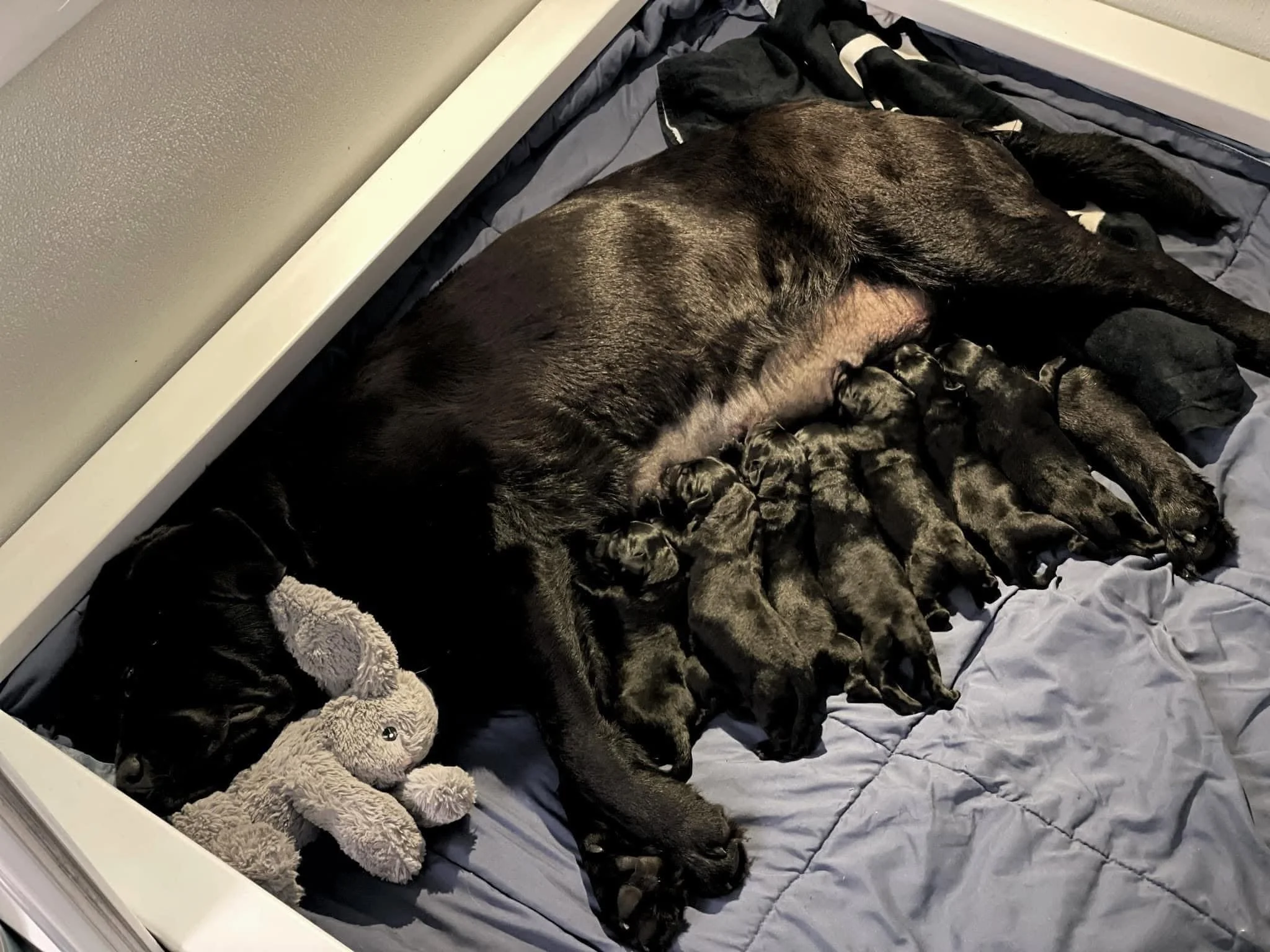
Responsible breeders contribute to this knowledge in a less visible way. Health testing, pedigrees, DNA samples, and honest records help researchers and breed communities understand how conditions move through families. A pedigree is not simply a list of names. When it is connected to accurate health and temperament information, it becomes a record that can guide better decisions.
If careful breeding programs disappear, we do not only lose puppies. We lose generations of knowledge.
Would Breeding Really Stop?
Of course, even if responsible breeders stopped tomorrow, dogs would not disappear tomorrow. There would still be accidental litters. There would still be people breeding for quick money. Dogs would still reproduce wherever intact animals were left together. And as long as people wanted puppies, someone would find a way to supply them.
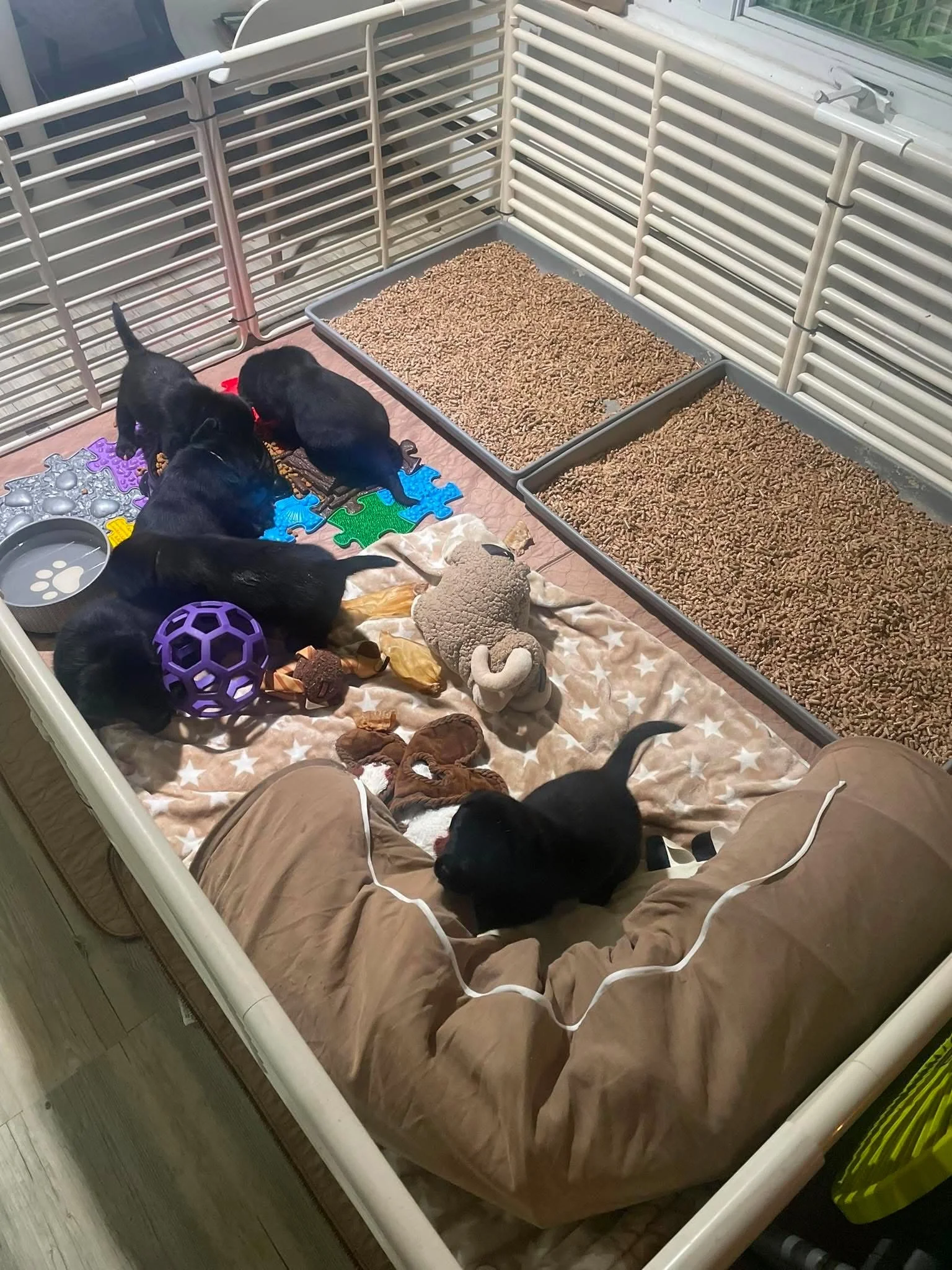
That is the part often missing from the argument. Ending responsible breeding would not necessarily end dog breeding. It might only remove the people who health test, study pedigrees, plan for temperament, carefully place puppies, and remain responsible for the dogs they produce. The demand would remain. The responsibility might not. We could end up with fewer dogs whose health, size, temperament, and natural abilities can be reasonably anticipated. We could also lose breeds that carry centuries of history - not simply because they look different, but because people shaped them for different places, climates, and kinds of work.
A Labrador should still carry the qualities that made the breed a dependable working retriever. A livestock guardian should still possess the judgment and instinct needed to protect its flock. A herding breed should not become only a familiar outline with the purpose bred out of it. Preserving those qualities takes people willing to think beyond a single litter.
Why Breeders Are Being Questioned
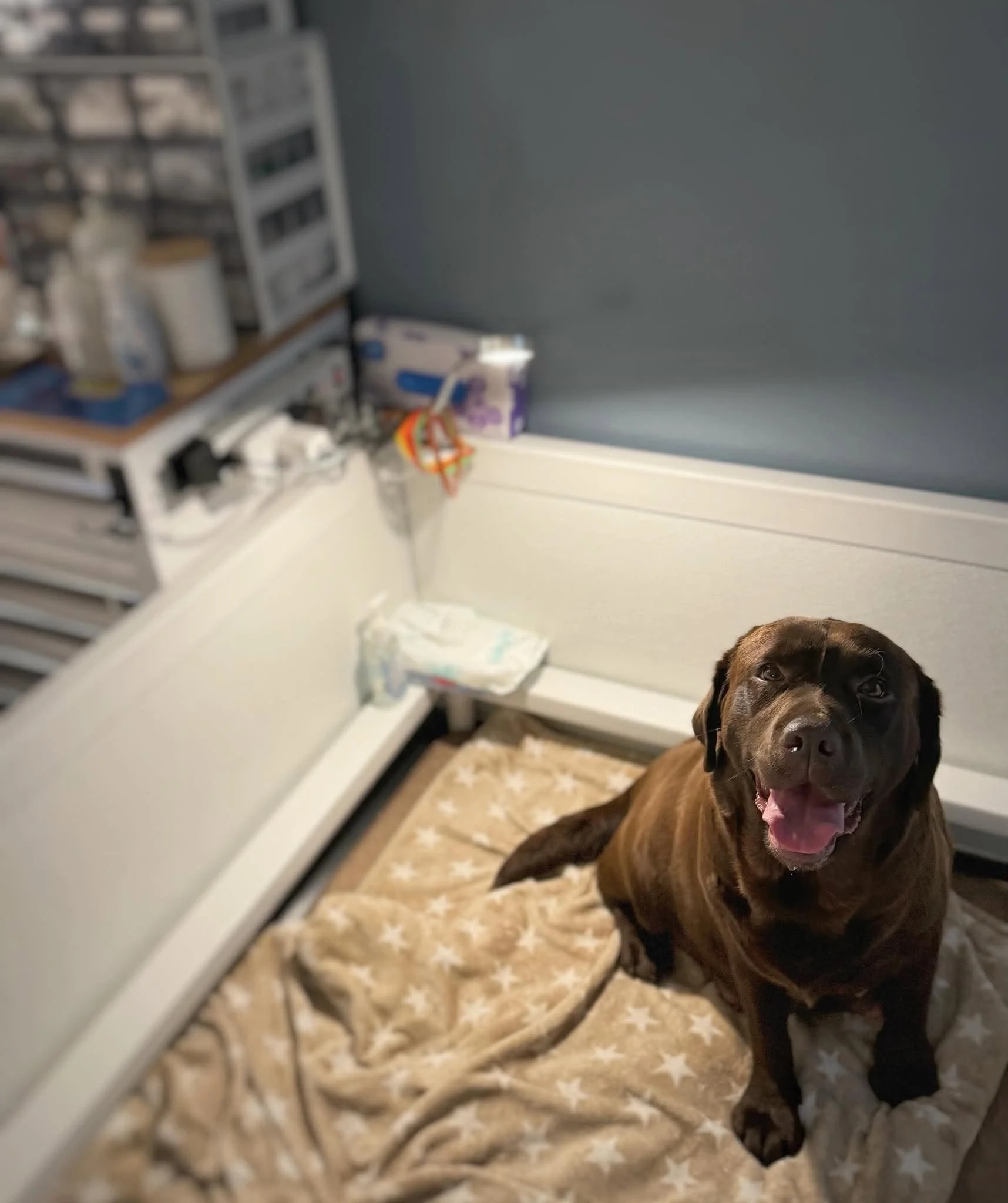
Breeders also need to be honest about how we arrived here. The criticism did not appear from nowhere. Some people breed without appropriate health testing. Some place puppies without enough care. Some exaggerate what their dogs can offer. Others disappear the moment a problem develops.
We cannot defend responsible breeding by pretending that all breeding is responsible. Nor can we expect the public to understand our work if we only talk about ribbons, pedigrees, and the next litter. People need to see how our decisions affect the lives of dogs and families. They need to see that we are willing to say no to a breeding, take back a dog, acknowledge a health problem, and place welfare ahead of convenience or profit.
Being called a breeder does not make someone important. The way that person breeds does.
Showing Why We Matter
I do not believe breeders will protect the future of dogs by becoming defensive every time breeding is criticized. We will protect it by giving people something better to see. That means breeding with a clear purpose. It means testing health, studying the dogs behind our dogs, and being honest about what we produce. It means choosing homes carefully and accepting responsibility long after the puppy leaves. It also means preserving the character and function of a breed, not merely its appearance.
Responsible breeders are not perfect. No amount of experience can remove every risk from breeding. But responsibility is not about promising perfection. It is about making thoughtful decisions, being honest when things go wrong, and continuing to learn.
A world without dogs would lose far more than companionship. It would lose working partners, medical contributions, living history, and one of the oldest relationships human beings have ever formed. That future may sound unlikely. But the steady loss of knowledgeable, responsible breeders is not. If we believe dogs matter, then the people entrusted with their future must matter too. Our responsibility is to make sure our work proves it.
